Starting at $299
paint correction
Surfaces That Reflect Light Like They Should
Paint Correction in San Antonio for swirl marks, light scratches, and diminished gloss on aging or improperly maintained finishes
ABC Detailing handles paint correction in San Antonio by removing surface defects that dull your vehicle's finish and block true color depth. You need this service when your paint shows swirl marks from automatic washes, light scratches from improper drying techniques, or a hazy appearance that no amount of washing seems to fix. The multi-step correction process restores clarity by mechanically leveling the paint surface to eliminate these imperfections.
Paint correction involves using progressively finer abrasive compounds to remove a microscopic layer of clear coat, which is where most surface defects reside. Each step refines the surface further until the paint achieves maximum gloss and reflection, revealing the true color and depth your vehicle had when new. The difference between this and standard polishing is the methodical approach to measuring paint thickness, selecting appropriate compounds, and verifying defect removal under specialized lighting.
Schedule a paint evaluation to determine the level of correction your vehicle requires and whether your clear coat has sufficient thickness for the process.
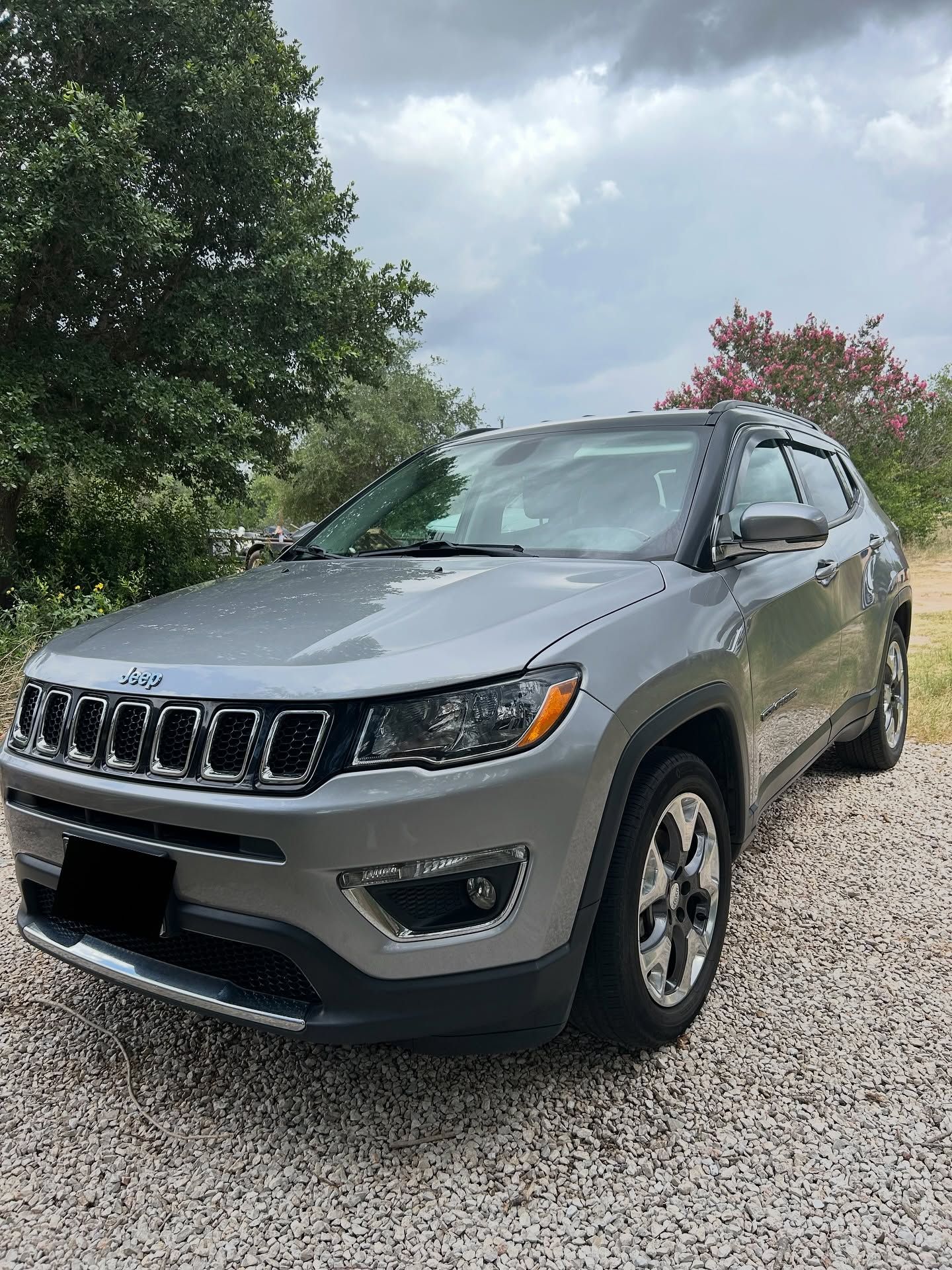
What Proper Paint Correction Requires
The multi-step correction process begins with a thorough wash to remove loose contamination, followed by clay bar treatment to extract bonded particles that would interfere with polishing. Paint thickness is measured at multiple points across each panel to confirm there is adequate clear coat for safe correction without cutting through to the base layer.
Once correction is complete, you notice that reflections in the paint appear sharp instead of distorted, overhead lights no longer reveal circular buffer trails, and the finish shows depth rather than sitting flat. Dark-colored vehicles particularly show the contrast, as black and navy blue paint displays mirror-like clarity instead of the milky haze caused by accumulated micro-scratches.
Many clients pair paint correction with ceramic coatings because the coating bonds to the newly perfected surface and locks in the improved gloss and reflection. Without protection, the corrected paint remains vulnerable to the same washing and environmental damage that created the original defects, meaning the clarity you gain will gradually diminish again.
Paint Correction & Surface Restoration
The Science of Polishing & Surface Benefits
Paint correction is a methodical, multi-step process that restores clarity by mechanically leveling the vehicle's paint surface to eliminate deep imperfections. Daily exposure to improper washing techniques, automatic car washes, and environmental contact creates a network of microscopic defects, such as swirl marks and light scratches, that reside entirely within your vehicle's clear coat.
When light hits these micro-scratches, it scatters in multiple directions, causing a hazy, milky appearance that blocks the true color depth and dulls the finish. Polishing uses progressively finer abrasive compounds to carefully remove a microscopic layer of the clear coat, smoothing out the ridges of these scratches until the surface is completely flat. By leveling the clear coat, reflections appear sharp instead of distorted, overhead lights no longer reveal circular buffer trails, and dark-colored vehicles display mirror-like clarity and maximum gloss.
This mechanical refinement permanently removes defects rather than simply masking them with temporary fillers or glossing agents, revealing the rich, true color depth your vehicle had when new.
Essential Pre-Polishing Wash & Decontamination Process
Before any machine polishing begins, a thorough and rigorous decontamination process is strictly required to ensure a safe, flawless installation. Polishing a vehicle with loose or bonded particles on the surface would cause those contaminants to catch in the polishing pads, dragging them across the panels and creating severe micro-scratches.
The process begins with a meticulous wash to remove all loose dirt, immediately followed by specialized bug removal to safely break down organic breakdown products before they permanently etch the finish. Next, a professional clay bar treatment is utilized to extract deeply bonded particles, brake dust, and industrial fallout that standard washing leaves behind.
Finally, a complete panel wipe-down with specialized solvents is performed to strip away any remaining oils or waxes. This intensive preparation ensures a completely bare clear coat, allowing our tools to measure paint thickness accurately at multiple points across each panel to confirm there is a safe amount of clear coat available for safe correction.
Add-On Restoration Services
To maintain the clarity you gain from paint correction, pairing your service with these specialized exterior add-ons ensures every square inch of your vehicle is fully restored and protected against the harsh environment:
Decontamination & Clay Bar Treatment
Extracted via a professional clay bar process, this service pulls embedded metallic brake dust, rail dust, and environmental fallout out of the paint's pores, leaving a perfectly smooth surface that allows protective layers to bond with maximum efficiency.
Specialized Bug Removal
Utilizes target-specific, paint-safe chemical enzymes to break down and completely lift stubborn, baked-on bug splatter from your front bumper, grille, and side mirrors before the organic acids can permanently etch into your clear coat.
Precision Headlight Restoration
Eliminates dangerous, chalky UV oxidation and cloudy yellow hazing from plastic headlight lenses through a methodical wet-sanding and polishing process, restoring crystal-clear nighttime visibility and factory-level optical clarity.
Engine Bay Detail
A highly detailed cleaning that safely removes accumulated road grime, grease, and dust from engine components, followed by an application of protective dressings to condition hoses and plastic shrouds, keeping your engine looking pristine.
Trim Restoration
Treats faded, sun-bleached exterior plastic and rubber trim with advanced conditioning agents, restoring a deep, rich black finish that repels water and prevents the chalky appearance caused by intense ultraviolet sun exposure.
Stage 1 vs. Stage 2 Paint Correction Systems
Stage 1
This single-stage polishing process is designed for vehicles with mild swirl marks, light hazing, or finishes where the clear coat is determined to be too thin for aggressive cutting. Using a finely balanced, medium-grade finishing polish and pad, this process removes light surface defects and significantly boosts gloss and reflection in a single pass. It provides a highly efficient, protective option that restores excellent clarity and depth without thinning the clear coat excessively.
Paint Enhancement
Stage 2
For aging or improperly maintained finishes displaying heavy swirl marks, deep scratches, and severe oxidation, a multi-step compounding process is required. The first stage utilizes a measured, heavy abrasive compound to safely cut through the microscopic layer of clear coat where deep defects reside. The second stage follows with a ultra-fine finishing polish to remove any compounding haze, refining the surface further until the paint achieves maximum reflection and sharp, mirror-like clarity.
Deep Defect Removal
Questions Before Starting Your Project
Clients often ask about the correction process before committing to the service, particularly regarding what the process involves and how long results last.
Paint correction uses measured, multi-step compounding to remove defects rather than simply masking them with fillers or glossing agents. The process verifies defect removal under high-intensity lighting to confirm the surface has been mechanically leveled.
Paint thickness measurements determine whether your vehicle is a candidate for correction, and if the clear coat has already been compromised by previous aggressive polishing or environmental wear, a less invasive enhancement process is recommended instead. This preserves the remaining clear coat while still improving appearance.
Without protection, corrected paint begins accumulating new micro-scratches immediately from washing, drying, and environmental contact. Most corrected finishes show noticeable degradation within three to six months without a protective coating or extremely careful maintenance.
The process requires specialized equipment, multiple grades of abrasive compounds, paint thickness measurement tools, and significantly more labor time per panel to achieve true defect removal. Single-stage polishing may take an hour, while full correction on a sedan typically requires eight to twelve hours.
Intense UV exposure accelerates clear coat oxidation and fading, which means unprotected corrected paint degrades faster here than in less sunny climates. Pairing correction with UV-blocking ceramic coatings helps maintain clarity longer under Texas sun.
ABC Detailing positions paint correction as ideal before applying long-term protection, since coatings and sealants perform best on defect-free surfaces. Request a detailed estimate based on your vehicle's current paint condition and the level of correction needed to restore the finish you want.