odor elimination
Cabins Free From Persistent Smells
Odor Elimination in San Antonio for vehicles affected by smoke, mildew, and organic contamination
Odor elimination targets the molecular source of persistent smells rather than temporarily masking them with fragrances or air fresheners. Commercial-grade chemical neutralizers bond with odor molecules embedded in porous surfaces—fabric seats, headliners, carpets, and HVAC vents—altering their structure so they no longer produce detectable smells. ABC Detailing San Antonio uses enzyme treatment and thermal fogging processes that penetrate deep into under-seat foam, cabin crevices, and ventilation systems where stagnant odors hide, addressing contamination that surface cleaning cannot access.
The process begins with identifying the odor source—tobacco or cannabis smoke residue, mildew from hidden moisture, or organic spills that have seeped into carpet backing. Enzyme treatments break down biological compounds like bacteria and mold spores, while thermal fogging disperses neutralizing agents throughout the entire cabin environment, including air ducts and hard-to-reach areas. High-temperature steam sanitation follows to destroy underlying bacteria and eliminate residual contamination, ensuring the odor does not return after the initial treatment.
Arrange an evaluation to identify the source and severity of odor issues in your vehicle.
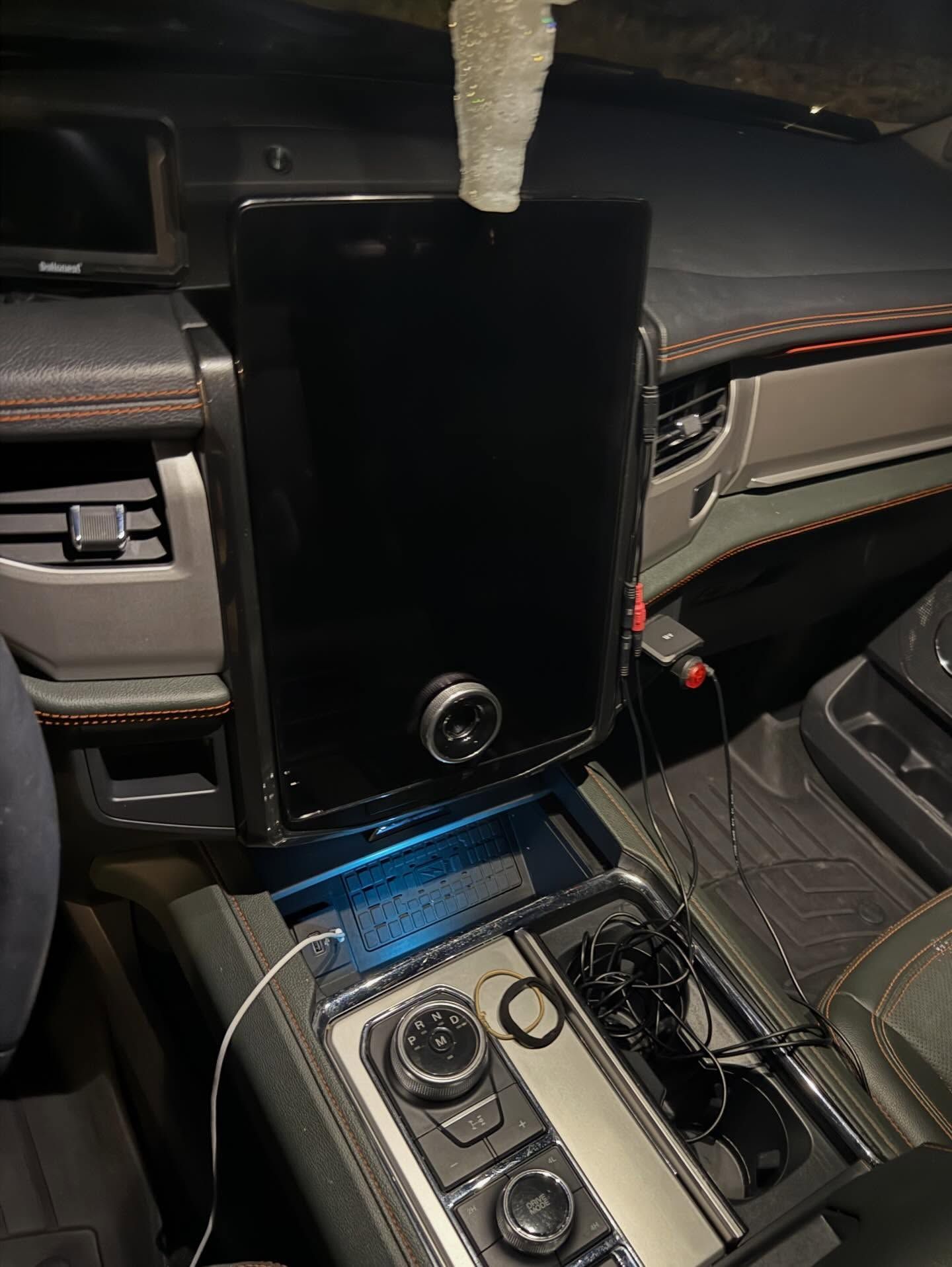
What Molecular Odor Counteraction Accomplishes
Professional odor elimination involves applying specialized neutralizers that chemically alter the structure of smell-producing molecules, rendering them inert rather than covering them with stronger scents. Thermal fogging equipment disperses microscopic particles of neutralizing solution throughout the cabin, reaching into HVAC ducts, seat foam, and behind trim panels where odors accumulate over time. Enzyme treatments target organic contamination, breaking down proteins and bacteria that produce persistent smells from spills, pet accidents, or moisture intrusion.
Once the service is complete, you will notice that the cabin air smells neutral rather than carrying the layered odors that had developed from smoke, mildew, or organic spills. Ventilation systems no longer emit stale or musty air when the fan runs, and fabric surfaces do not release odor when touched or sat on. The improvement is immediate and noticeable, though severe contamination may require multiple treatments to fully neutralize all sources of smell embedded in porous materials.
The service does not repair damage caused by smoke or moisture—stained headliners, discolored upholstery, or corroded components require separate restoration—but it does eliminate the smell produced by those conditions. Mobile units arrive equipped with professional fogging equipment, enzyme formulas, and steam sanitation systems, allowing the entire treatment to be completed at your location without exposing the vehicle to additional contaminants during transport.

What Property Owners Usually Ask
Buyers purchasing used vehicles and owners dealing with long-term odor issues often want to understand how the elimination process differs from standard cleaning and what results to expect.
Smoke residue from tobacco or cannabis, mildew from water intrusion, pet accidents, and organic spills like spoiled milk typically respond well to enzyme and thermal fogging treatments. Results depend on contamination severity, how long the odor has been present, and whether the source has been removed before treatment begins.
Fogging equipment disperses neutralizing solution as a fine mist that penetrates HVAC ducts, under-seat foam, and tight gaps where liquid cleaners cannot reach. The particles settle on all interior surfaces, including those hidden behind trim panels, treating the entire cabin environment rather than just visible areas.
Standard cleaning addresses visible contamination but leaves bacteria, mold spores, and odor molecules embedded in porous materials like seat foam and carpet backing. Without molecular neutralization and sanitation, the biological sources of odor continue producing smell even after surfaces appear clean.
High humidity combined with sealed cabin environments creates ideal conditions for mold growth in carpets, upholstery, and HVAC systems. Moisture from spills, leaks, or condensation accelerates bacterial growth, producing musty smells that worsen over time without proper sanitation and moisture removal.
Remove trash, personal items, and fabric seat covers that may trap odors or block fogging agents from reaching contaminated surfaces. Identifying and repairing the source of moisture or contamination before treatment prevents odors from returning after the service is completed.
ABC Detailing San Antonio brings specialized deodorizing equipment, commercial-grade neutralizers, and self-contained power directly to your location, treating severe odor issues without requiring shop drop-off. Schedule a mobile consultation to assess your vehicle's odor concerns and determine the appropriate treatment approach.