Aircraft detailing
Aircraft Surfaces Maintained to Reflect Ownership Standards
Aircraft Detailing in San Antonio for private aircraft requiring professional exterior cleaning and surface care
Aircraft surfaces accumulate exhaust residue, hydraulic fluid traces, and environmental contamination that standard rinsing does not remove effectively. This service addresses fuselage panels, wing surfaces, and control areas where residue buildup affects both appearance and the ability to conduct thorough pre-flight inspections. ABC Detailing provides aircraft detailing for aviation operators across San Antonio who require careful handling of painted aluminum, composite materials, and transparencies without introducing scratches or chemical damage.
The process involves pH-balanced cleaning agents formulated for aviation coatings, followed by polishing that restores gloss to painted surfaces without thinning protective layers. Attention focuses on leading edges, inspection panels, and areas near exhaust ports where thermal discoloration and carbon deposits concentrate, ensuring these areas receive treatment that removes buildup without affecting underlying primers or sealants.
Schedule a consultation to determine appropriate cleaning protocols for your aircraft's specific materials and coating systems.
What Changes After Professional Aircraft Cleaning
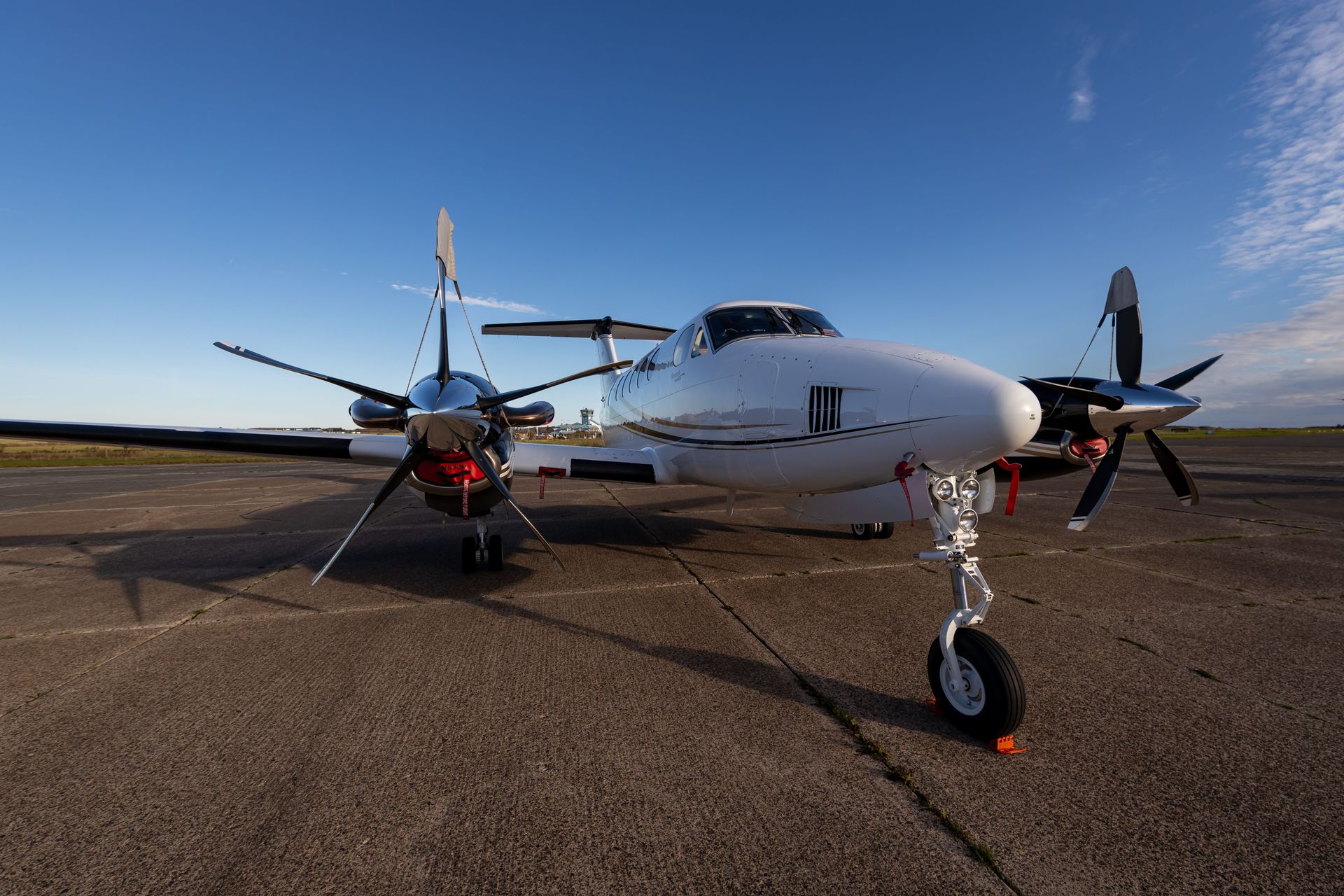
Aircraft detailing removes the film that obscures registration markings and inspection placards, ensuring these remain legible during ramp checks and documentation reviews. The work addresses exhaust staining that develops aft of engines and APU outlets, where heat accelerates bonding of carbon particles to paint. Polishing corrects the oxidation that causes white or light-colored paint to develop a chalky appearance after prolonged sun exposure at altitude and on the ramp.
Following the service, fuselage panels reflect light uniformly without streaking, transparencies remain free of cleaner residue that can obscure visibility during flight, and control surfaces show no accumulation of dirt in hinge gaps or along trailing edges. The aircraft presents a maintained appearance that reflects attention to operational standards.
Services accommodate private aircraft and aviation operators requiring customized detailing solutions that align with maintenance schedules. The approach adjusts based on whether the aircraft operates in coastal environments where salt exposure accelerates corrosion, or in dry climates where dust infiltration becomes the primary concern. Some operators schedule detailing before annual inspections to facilitate clearer examination of skin condition and fastener integrity.

Common Questions About This Service
Aircraft owners often have specific concerns about cleaning methods, material compatibility, and scheduling around flight operations.
Surfaces exposed to exhaust gases, hydraulic mist, or de-icing fluid experience accelerated coating breakdown compared to protected areas, and leading edges suffer greater ultraviolet exposure during flight than fuselage sections shielded by wings.
Frequency depends on flight hours and storage conditions, but most operators benefit from quarterly exterior detailing to prevent contamination from bonding permanently to paint and to maintain the professional appearance expected in aviation operations.
ABC Detailing handles aircraft cleaning with attention to proper handling of aviation surfaces and materials. Contact us to arrange customized aircraft detailing solutions aligned with your operational requirements.