Headliner Stain Removal
Overhead Surfaces Requiring Careful, Patient Work
Headliner Stain Removal in San Antonio for ceiling fabric affected by water spots, handprints, and cosmetic marks
Headliner fabric presents a uniquely delicate cleaning challenge because aggressive scrubbing loosens the adhesive holding the material to the roof panel, causing permanent sagging or detachment. ABC Detailing San Antonio uses low-moisture, precision spot-treatment techniques to lift water spots, grease transfers, and hand smudges from overhead surfaces without compromising the adhesive bond. The process involves fiber-by-fiber blotting rather than surface scrubbing, working patiently to break down contamination while preserving the fragile structure of the headliner material.
The service targets cosmetic marks that accumulate from contact—handprints near grab handles, grease from hair products, and water staining from leaks or high humidity. Because headliner materials are prone to dye-bleeding and permanent discoloration, each treatment is approached as a custom process with results that vary based on stain age, fabric type, and previous damage. The goal is systematic grime mitigation using fine-tuned detailing tools that minimize risk to the adhesive backing.
Request a consultation to evaluate the condition of your vehicle's headliner and discuss realistic expectations.
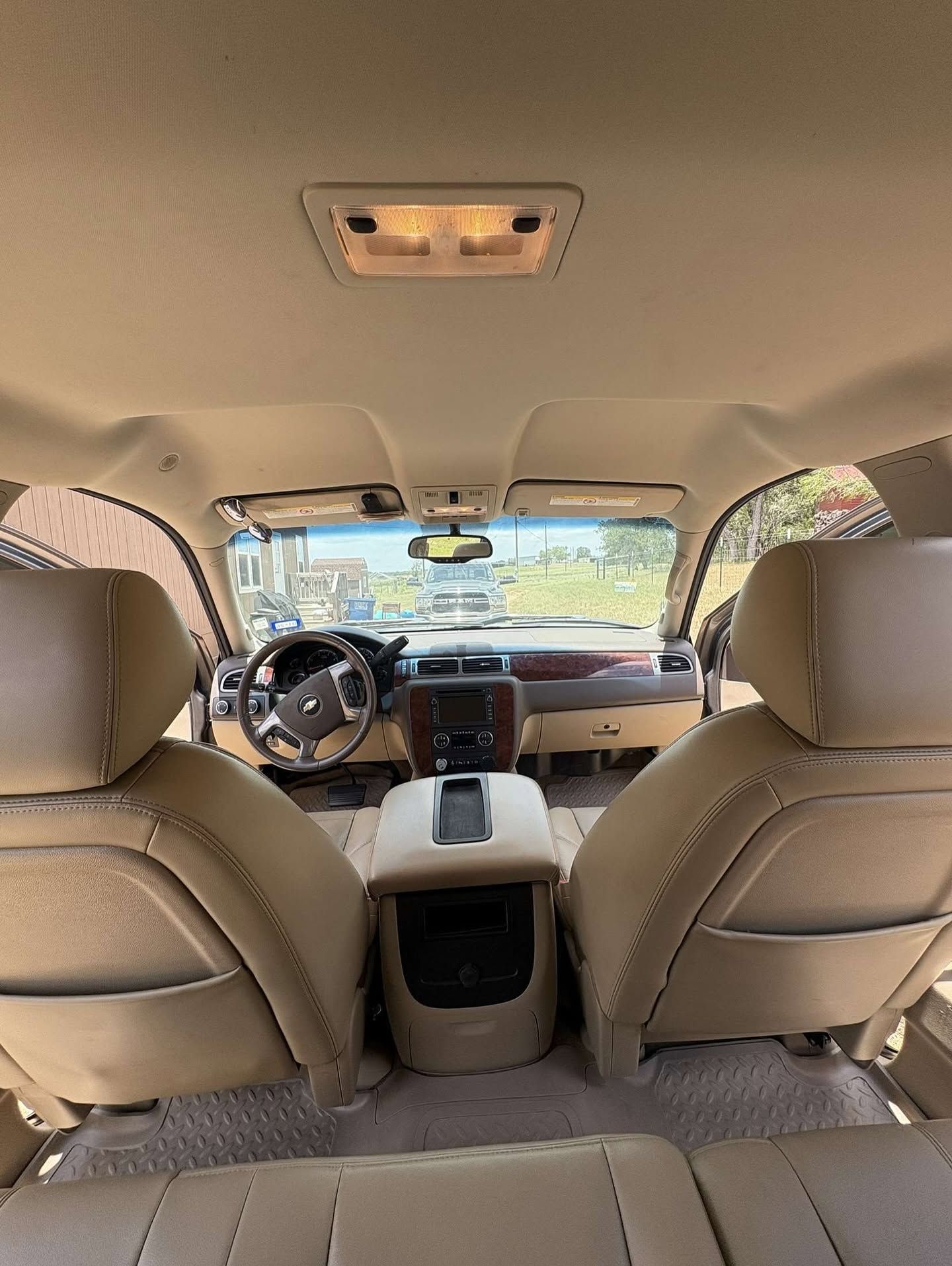
Why Headliner Cleaning Is Never Guaranteed
Headliner fabric is bonded to foam backing with heat-sensitive adhesive that degrades over time, especially in vehicles parked regularly under San Antonio's intense sun. Cleaning requires controlled moisture application and gentle blotting to avoid saturating the adhesive layer, which can cause the fabric to sag or separate from the panel. Specialized tools lift contamination without applying the friction or pressure that damages the delicate overhead weave.
After treatment, successfully addressed marks will appear lighter or fully removed, and the fabric texture remains intact without sagging or loose sections. However, some stains—particularly those caused by dye transfer, smoke residue, or prolonged exposure to moisture—may resist lifting or leave permanent discoloration despite careful treatment. The nature of headliner materials means that even professional-grade techniques cannot always restore original appearance without risk of structural damage.
This service does not include headliner replacement or re-gluing of loose sections, as those repairs require removal of the roof panel and replacement of the foam backing. Mobile units arrive equipped with specialized low-moisture cleaning solutions and precision detailing tools designed specifically for overhead fabric work, minimizing the risk inherent in this tedious process.

Answers to Frequent Service Questions
Headliner cleaning raises more questions than most detailing services because of the material's sensitivity and the unpredictability of results.
Most marks come from hand contact near grab handles, hair product residue from tall passengers, smoke accumulation, or water intrusion from sunroof drains or weatherstripping failures. The fabric absorbs oils and moisture easily, and once contamination bonds to the weave, it resists standard cleaning attempts.
The adhesive bonding the fabric to the foam backing weakens with heat and age, so any cleaning process risks loosening the bond and causing sagging. Additionally, some stains penetrate the dye layer of the fabric itself, creating permanent discoloration that cannot be reversed without damaging the material further.
Instead of saturating the fabric with liquid and scrubbing, the process uses controlled moisture application and blotting to lift contamination gently. Specialized tools work section by section, minimizing adhesive exposure to moisture and avoiding the friction that causes fabric pilling or separation.
Fresh handprints, light grease transfers, and surface-level water spots typically lift more successfully than aged smoke stains or dye bleeding from previous water damage. Stains that have set for months or years may resist treatment, and results depend heavily on fabric condition and prior exposure to heat.
Successfully treated areas will show visible improvement, but the process does not guarantee complete stain removal or restoration to original appearance. The primary goal is contamination reduction without causing sagging or adhesive failure, and realistic expectations are discussed before work begins.
ABC Detailing San Antonio approaches every headliner cleaning as a high-patience, custom project, prioritizing adhesive preservation over aggressive stain removal. Schedule an assessment to determine whether your vehicle's overhead fabric is a suitable candidate for this specialized service.